
Do all natural ingredients support the skin in the same way? Not always. Honey has gained attention because it can support hydration, softness, and a healthy-looking finish when used in balanced formulas. Understanding honey benefits for skin means looking beyond raw honey and considering how it works with other ingredients. This article explains its key uses, suitable skin types, product options, and situations where direct application may not be appropriate.
What Are the Benefits of Honey for Skin?
Honey is widely used in cosmetic formulas because its moisturizing and antioxidant properties can support everyday care. The main honey skin care benefits depend on the full formula and regular use. Research on the dermatological uses of honey explores its potential applications in skin care.
- Supports hydration: Honey acts as a humectant, helping attract moisture to the skin’s surface and supporting a softer feel.
- Helps maintain softness: With oils, butters, and moisturizers, honey can help reduce feelings of dryness and tightness.
- Provides antioxidant support: Antioxidant compounds may support skin exposed to environmental stress.
- Complements blemish-prone routines: Some honey types show antimicrobial activity, but they do not replace acne treatment.
- Supports the skin barrier: Better surface hydration can help skin feel smoother and more comfortable during dry conditions.
These honey benefits for skin work best within complete formulas, where honey skin care benefits can complement a broader routine. One of the advantages of honey for skin is that it can complement moisturizing and conditioning ingredients.
What Skin Conditions Can Honey Help With?
Honey may complement routines for dryness, roughness, or discomfort. The benefits honey on skin can provide still vary by skin type and formula.
- Dry or dehydrated skin: Honey can support moisture retention and reduce tightness with richer moisturizers.
- Rough body skin: Exfoliating and moisturizing formulas may improve rough areas such as elbows, knees, and legs.
- Dull-looking skin: Improved hydration can help the surface appear fresher, smoother, and more comfortable.
- Oily or blemish-prone skin: Lightweight honey-based formulas can add moisture without harsh drying methods.
- Sensitive-feeling skin: Gentle formulas may support comfort, but patch testing remains important.
These honey benefits for skin are supportive, not medical. Persistent acne, eczema, rosacea, wounds, or severe irritation need professional assessment.
Should You Apply Raw Honey or Use Honey Skincare Products?
Raw honey and formulated skin care products are not the same. While both may contain honey, they differ in consistency, stability, ease of use, and how other ingredients support the skin. Understanding these differences can help you decide which option fits more comfortably into your regular routine.
Using Raw Honey Directly on the Skin
Raw honey may seem like a simple natural option, but its texture, purity, and composition can vary from one product to another. It may also feel sticky and difficult to rinse or combine with other steps. Homemade mixtures containing lemon juice or concentrated essential oils may increase irritation, particularly on sensitive skin, making direct application less predictable for regular use.
Using Formulated Honey Skincare Products
Professionally developed honey skincare products combine measured amounts of honey with moisturizers, oils, cleansers, preservatives, or exfoliating ingredients according to a specific purpose. This creates a more stable texture that is easier to apply and use consistently. A balanced honey skincare routine can therefore provide honey skin care benefits through products designed specifically for cleansing, exfoliating, moisturizing, or everyday body care.
How to Choose the Right Honey Skincare Products for Your Skin Type
The right formula should match your skin type, preferred texture, and main concern. Consider the full ingredient list and intended use.
- Dry skin: Choose rich formulas with shea butter, cocoa butter, avocado oil, or sweet almond oil.
- Oily skin: Look for lighter textures that provide hydration without leaving an unnecessarily heavy finish.
- Combination skin: Use lightweight care on oilier areas and richer moisturizers where skin feels dry.
- Sensitive skin: Choose simple formulas, avoid known irritants, and patch test before wider use.
- Rough body skin: Pair gentle exfoliation with regular moisturization to support smoother texture.
- Blemish-prone skin: Seek professional advice when breakouts are persistent, painful, or inflamed.
Choosing the right products is only one part of effective body care. For a step-by-step guide to arranging your daily cleansing, exfoliation, and moisturizing steps, read our article on Body Care Routine to learn how to build a routine that suits your skin’s needs.
Discover Honey Skincare Products at MIEL
MIEL makes honey body care easy to include in a simple routine by combining exfoliation, moisture, softness, and a pleasant scented finish. Each product has a different role, allowing you to build steps around what your body skin needs most.
Oily Scrub
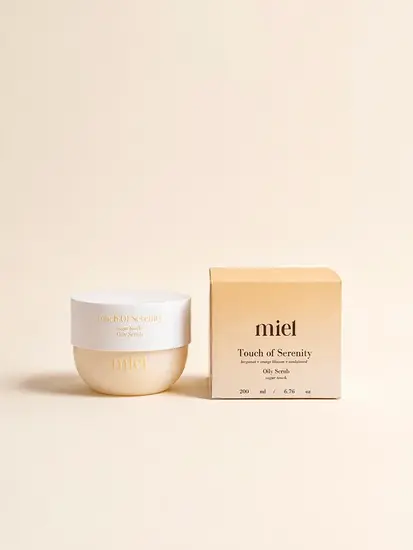
MIEL Oily Scrub combines sugar with sweet almond oil, shea butter, wheat germ, mango, and beeswax. Sugar helps remove surface buildup and dead skin cells, while the oil-rich formula supports a softer feel after exfoliation. It brings exfoliation and oil-based care together in one step, helping improve the feel and texture of rough or dry body skin.
Body Powder
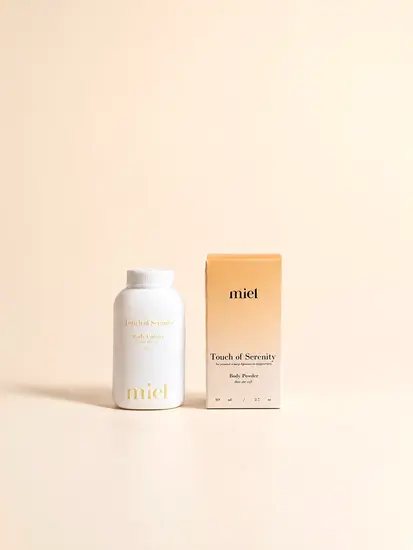
MIEL Body Powder leaves the skin feeling soft and silky while adding a fresh, comfortable finish to your routine. Its lightweight texture is easy to apply after bathing or moisturizing and adds a pleasant scented touch. It is a practical final step for everyday care, offering a simple way to finish the routine with a light layer of powder talc.
Body Butter
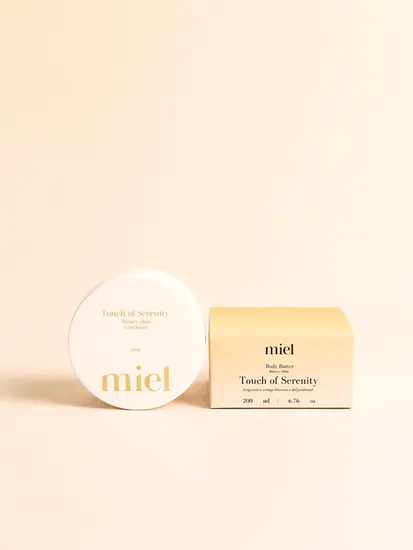
MIEL Body Butter is a rich body cream for skin that needs extra hydration and care. It contains cocoa butter, shea butter, sweet almond oil, avocado oil, Vitamin E, and beeswax. The formula helps keep skin moisturized for up to 24 hours and supports a softer, smoother feel, making it a richer choice than a lightweight honey body lotion.
Together, the collection supports exfoliation, moisturization, and finishing care. If your routine includes a honey body wash, use it before exfoliation and richer hydration. The range can also suit a broader honey bee skincare approach focused on softness and comfort.
FAQ?
Do honey skincare products help fade dark spots and hyperpigmentation?
They may support brighter-looking skin, but pigmentation usually needs sunscreen plus targeted ingredients such as niacinamide, vitamin C, or retinoids.
Is honey good for oily and acne-prone skin?
Yes, lightweight formulas can support hydration, but persistent or inflamed acne usually needs targeted care recommended by a qualified professional.
Can Honey Cause Skin Irritation or Allergic Reactions?
Yes, especially for people sensitive to bee products or pollen, so patch testing can help identify irritation or allergy early.
How long does it take to see results from using honey on the skin?
Hydration may feel noticeable quickly, while improvements in softness and texture usually require regular use over several weeks to appear.
Can honey products clog pores or cause fungal acne?
It depends on the formula, so choose products for your skin type and stop use if congestion or breakouts appear.
The best way to experience honey benefits for skin is through balanced formulas designed for a clear purpose rather than raw honey alone. MIEL brings exfoliation, rich moisture, and finishing care together in an easy body routine. Explore the collection, choose the steps that match your skin’s needs, and create a routine that helps your skin feel softer, smoother, and comfortably cared for every day.